
Batch traceability
Connect supplied material to the agreed identification and test records.
DH-S is KYHE’s proprietary titanium powder production route. It combines feed-material selection and preparation with powder processing, classification and quality evaluation. The objective is to supply usable titanium alloy powder while improving the value recovered from titanium resources.
The route described in our technical materials includes hydrogenation/dehydrogenation, separation, spheroidization and surface-conditioning steps. These descriptions refer to the same technology; the detailed process and controls are matched to the specified powder.
For procurement decisions, use the product’s particle-size, chemistry and physical-property data together with processing trials. A process description does not replace an agreed material specification.
| Property | 0–20 μm | 15–53 μm |
|---|---|---|
| D10 (μm) | 6–8 | 15–25 |
| D50 (μm) | 13–15 | 28–35 |
| D90 (μm) | 20–24 | 42–50 |
| Hall flow rate (s/50 g) | Not specified | ≤45 |
| Apparent density (g/cm³) | ≥2.3 | ≥2.3 |
| Tap density (g/cm³) | ≥2.75 | ≥2.6 |
| Oxygen, O (wt.%) | 0.18 | 0.15 |
| Nitrogen, N (wt.%) | 0.05 | 0.05 |
| Hydrogen, H (wt.%) | 0.03 | 0.03 |
| Circularity | ≥0.9 | ≥0.9 |
Use these values for initial material selection. Chemical acceptance limits, including O, N and H, are agreed in the order specification. Hall flow data is unavailable for the 0–20 μm grade. Circularity describes particle shape in two dimensions.
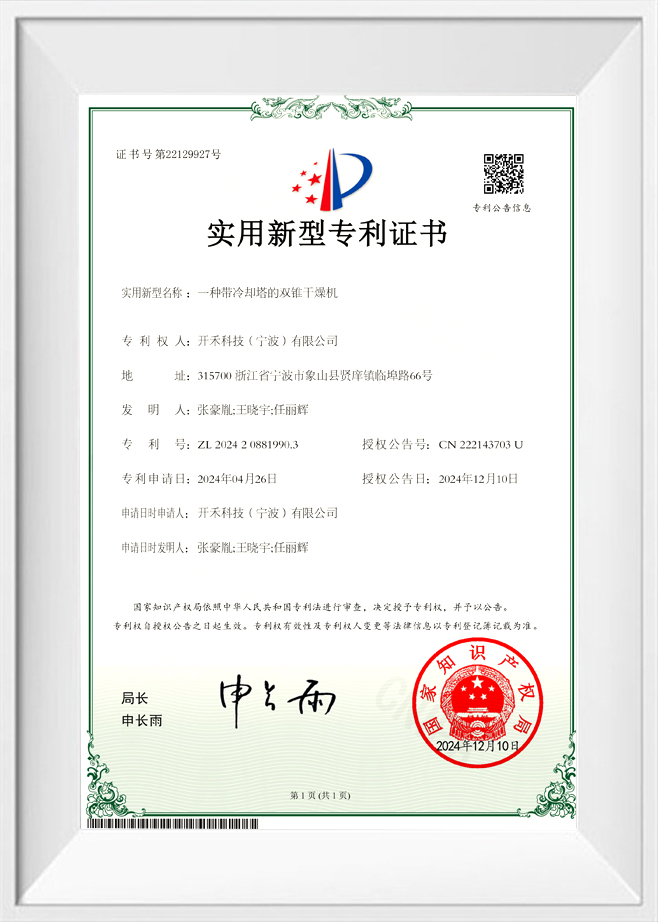
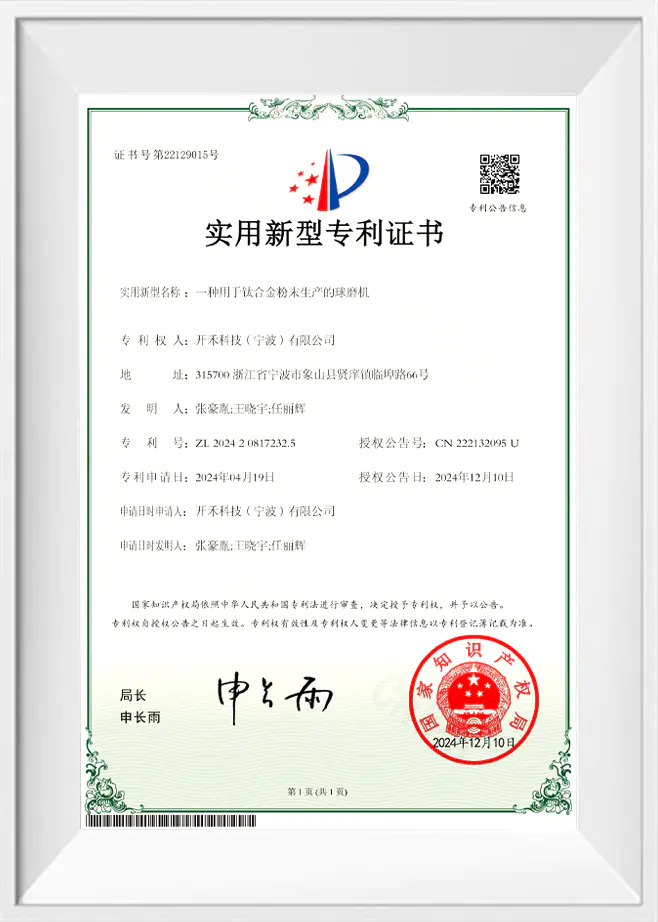
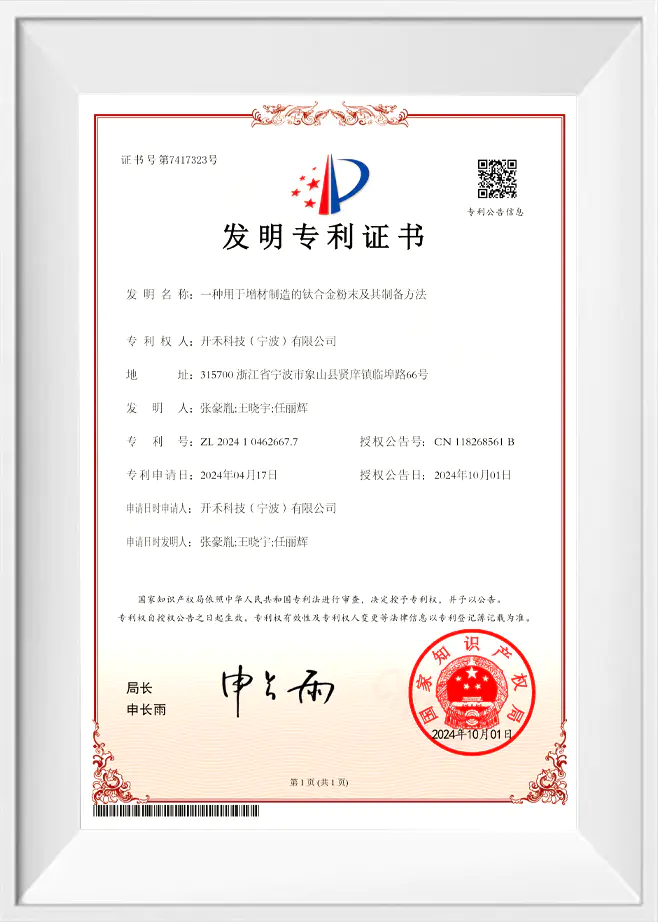
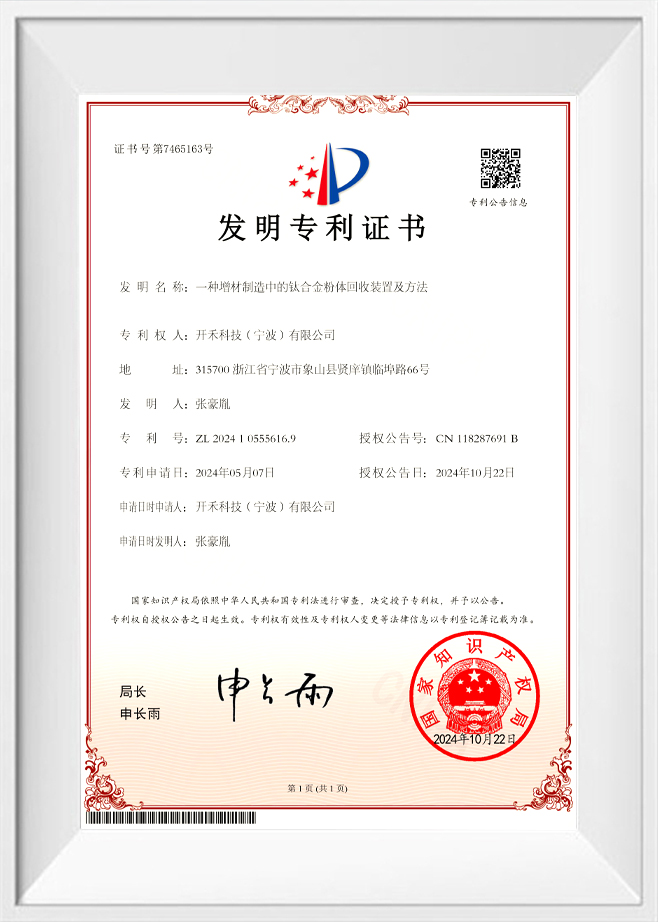
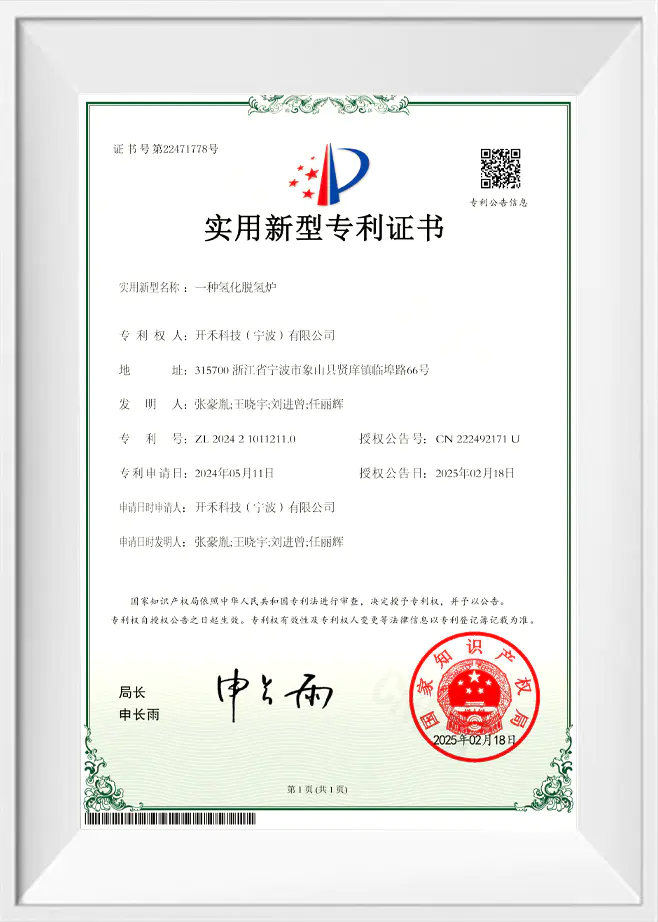
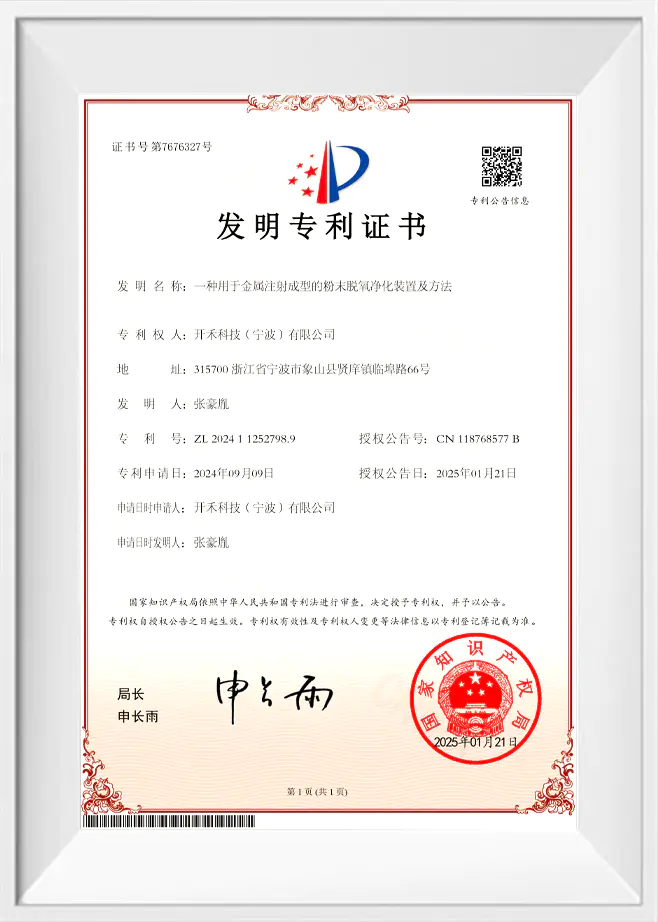
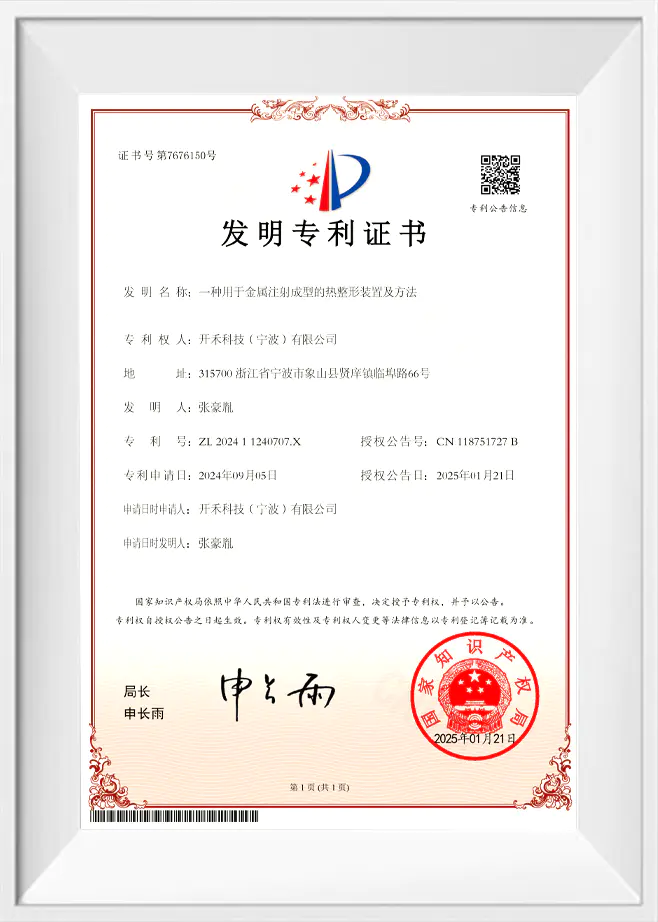
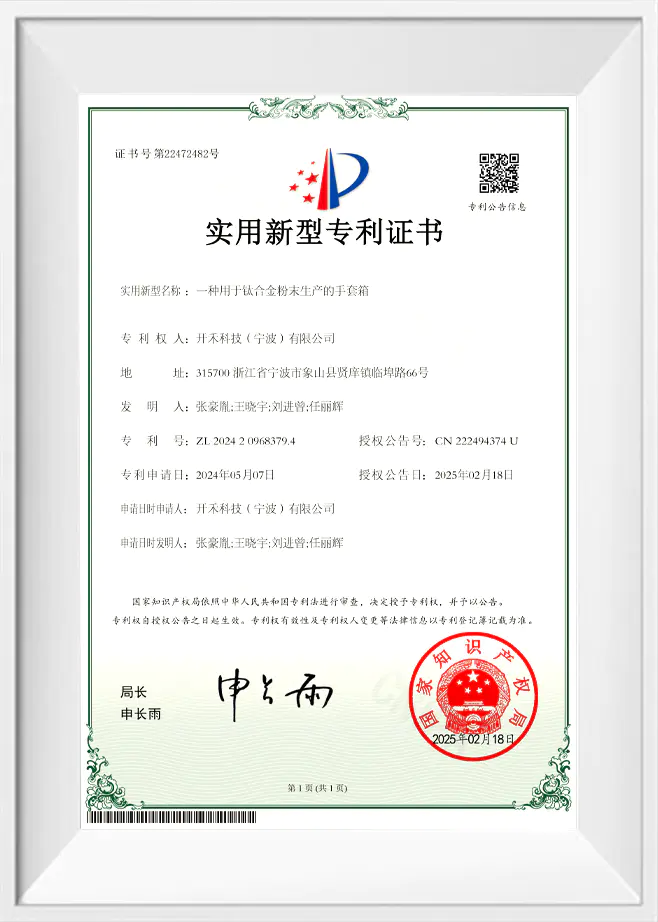
1. Define the material. Identify the alloy, feed-material source and intended powder specification.
2. Process and classify. Apply the DH-S route and separate the powder into the required particle-size specification.
3. Characterize the batch. Review particle-size distribution, chemical composition, powder morphology, flow and density as relevant to the order.
4. Evaluate the application. Connect powder data to MIM specimens or other agreed process trials, then define supply and acceptance requirements.
Incoming feed-material checks, powder characterization and batch identification form the basis of material control. Our existing production practice also uses powder batches to make MIM test specimens for mechanical evaluation.
Powder chemistry, loose-powder density and finished-part density describe different properties. Mechanical results also depend on molding, debinding, sintering and any post-processing. Agree the relevant test conditions and acceptance limits before qualification.
For a new application, tell us your equipment, component requirements and required reports. We will discuss the available data and any additional evaluation needed.
Connect supplied material to the agreed identification and test records.
Define material and part-level evaluation with the technical team.